You’re Using “Accountability” Wrong

How leaders in public safety and healthcare can reclaim a misunderstood word and use it to build cultures of honest, lasting improvement
Definitions matter. You can have a seemingly productive conversation with someone and then each come away with completely different conclusions — precisely because you weren’t agreed upon definitions to begin with. Smart leaders pay attention not only to the words they choose, but also to how those words are received.
Over the years, one word I’ve seen create outsized organizational confusion: accountability.
Accountability Is Not an Accusation
“We need more accountability!”
“They need to start holding people accountable around here.”
Such statement usually aren’t meant to be encouraging. They’re more often rebukes. Accusations. You tend to hear things like this when tempers flare and precise meanings fly out the proverbial window. We tend to hear the emotion over the literal meaning.
Part of our challenge with the term accountability is cultural. Growing up, most schools prioritize transactional thinking: Do this and you will be rewarded; do that and you will be punished. Our most impressionable years are imbued with this sort of good-vs.-bad thinking.
Unfortunately, too many of us bring this simplistic, moralistic approach into adulthood. We then bring it into the companies and agencies we serve. “Good-vs.-bad” doesn’t have a whole lot of relevance to the workplace, but the old habit remains. This, I believe, is responsible for a lot of the unnecessary drama and poor morale too common to today’s workplace.
So what’s the definition of accountability? It sure isn’t discipline.
Leaving Judgement, & Negativity, Out
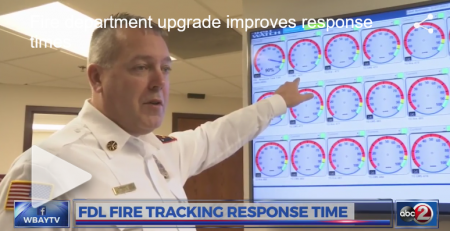
In healthcare and public safety, we often hear folks say that we measure what matters to us. This is precisely so. If something matters to you and your organization – revenue goals, clinical and operational outcomes, cultural values – write it down. Figure out a way to measure it. Bring it up routinely in meetings. But, above all, leave negativity and judgement out of it. Instead, bring the whole team along with you as you work toward your collective goals.
As a medic, I can’t be mad at a patient because they have high blood pressure or fell off their motorcycle. I mean, I can. But it would be counterproductive. My role on scene is to do the best I can to improve the patient’s outcome, regardless of how they got there. I do this with my skills, training, and tools. If I make a mistake, it’s incumbent upon me and my organization to understand why that mistake was made. There are many reasons for mistakes in the high-stakes and under-resourced world of emergency response. Accountability therefore begins with curiosity: What happened and why?
If your agency has already fallen for the accountability trap, if the word has been historically misused and misinterpreted, it takes time to regain trust. In my experience, most organizations, both in the public and private sectors, have issues around the concept of accountability.
It has been:
- applied unevenly, exempting some teams, people, or pay grades
- intended as punishment and a byword for discipline
- concerned with proximate rather than root causes, most often blaming individuals for systemic or collective challenges
Accountability starts at the top. When leaders embrace accountability for themselves and their decisions, when we adopt neutral language and foster an environment of continual improvement, we begin to come together as a team.
True Accountability Begins with You
You don’t need to be a fan of Tom Brady to agree that he held himself accountable to the systems he designed for the football field. When he came up short, he owned it. Likewise, true leaders – regardless of their job title or tenure – are accountable foremost to themselves. We don’t beat ourselves up if we fall short. But we do keep ourselves humble and motivated through honest measurement. This, to me, is true accountability.
Leaders and organizations that embrace nonpunitive accountability succeed over the long term, both as individuals and, more importantly, as a collective. Real, impactful improvement happens when agencies build systems in such a way that teams work together. The byproduct is high-performing, engaged teams.
Another word for this: teamwork.
Chris Cunningham
As Chief Operating Officer at FirstWatch, Chris Cunningham provides a strategic vision for the company and charts the organization’s continued evolution. Previous to this role, Chris served as the chief operations officer for MedStar Mobile Healthcare, where he managed a budget of more than $60 million annually and 445 employees.